


PRESS RELEASE – Ombudsperson: Protection of Water Resources in Kosovo Requires Urgent and Coordinated Institutional Action


Pristina, November 12, 2026 – The Ombudsperson has published a report on the state of water resources in the Republic of Kosovo. The report highlights serious challenges regarding the protection, management, and utilization of water resources, as well as persistent shortcomings in the implementation of relevant legislation and policies.
The report assesses the state of water resources from a human rights perspective, emphasizing that access to safe water and sanitation—along with the right to live in a clean, healthy, and sustainable environment—requires sustained and effective commitment from the responsible institutions.
According to data from the Hydrometeorological Institute of Kosovo, some of the most polluted rivers in the country include the Graçanka in Vragoli; the Sitnica along its entire course; the Nerodime in Gerlicë and Kaçanik; the Drenica in Drenas and Vragoli; and the Limani i Klinës in Klinë.
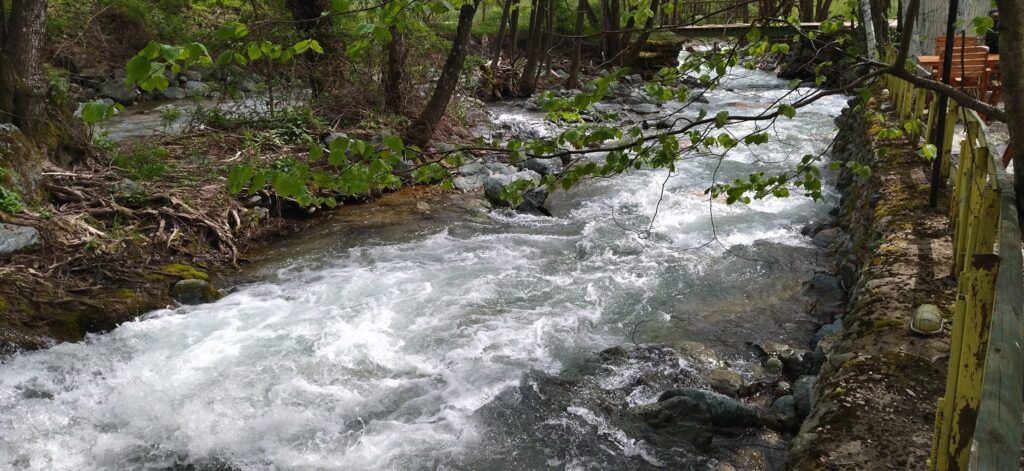
The primary sources of pollution are identified as the discharge of untreated urban wastewater, industrial activities, agricultural use, the dumping of waste into riverbeds, and the hydromorphological degradation of the rivers. The report also highlights the significant degradation of riverbeds due to the uncontrolled extraction of sand and gravel, which has visible impacts on aquatic ecosystems and surrounding lands.
One of the primary concerns identified in the report is the lack of institutional capacity, particularly at the local level. Most municipalities lack environmental officials and inspectors, and the majority do not have local environmental protection plans. Furthermore, the report points to shortcomings in inter-institutional coordination, professional capacity, the monitoring of water resources, and the effective implementation of legislation.
The Hydrometeorological Institute of Kosovo continues to face staff shortages, a need for new laboratory equipment, and the requirement to expand its monitoring network—especially regarding groundwater. Biological water monitoring and the monitoring of priority pollutants also remain areas that require further development.
According to data from the National Institute of Public Health of Kosovo, 11,016 water samples were analyzed during 2024, 98.7% of which complied with the established parametric values. Meanwhile, during the period from January to August 2025, 98.2% of the 8,435 samples analyzed were in compliance with the relevant standards.
However, the report also highlights challenges related to drinking water quality, including the issue of manganese in Lake Badoc, where levels have exceeded established limits throughout 2024 and 2025.
The report also addresses the risk of flooding, emphasizing the need for long-term planning, investment in water infrastructure, systematic maintenance of watercourses, and the effective operation of early warning mechanisms. Protecting rivers from uncontrolled interventions, degradation of riverbeds, and pollution requires ongoing coordination between central and local institutions, as well as effective public participation in decision-making.
The Ombudsperson notes that the problems identified in the water sector are not new; they have been reported over the years by public institutions, international organizations, civil society organizations, and the Ombudsperson’s office itself. Despite the existence of legislation and strategic documents, the implementation of measures has progressed at an insufficient pace, while many problems remain unresolved.
In this context, the Ombudsperson emphasizes that there is no longer a need for further analysis regarding the existence of these problems; rather, there is a need for concrete, urgent, and coordinated action by the responsible authorities—and, to this end, the Ombudsperson offers specific recommendations for those authorities.