


World Autism Awareness Day is marked


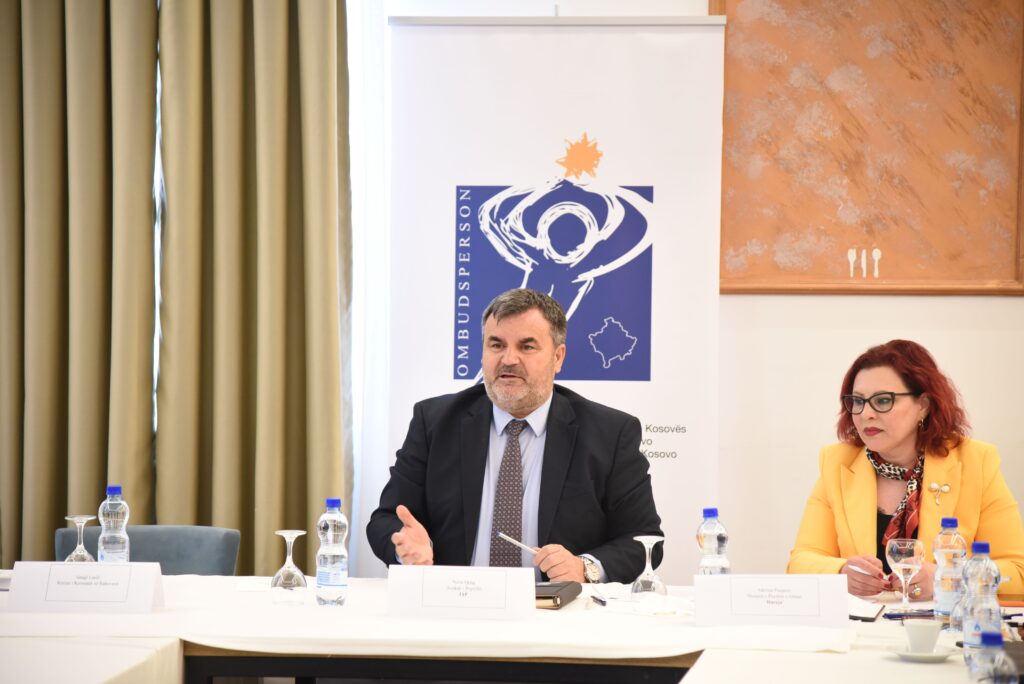
Prishtina, April 2, 2026 – The Ombudsperson’s Institution, in co-organization with the non-governmental organization “Hareja” organized a roundtable on the occasion of the World Autism Awareness Day, held in Rahovec.
This roundtable was attended by representatives from municipal and regional institutions, respectively from health, educational and social institutions, to discuss the role of each institution in providing services to people with Autism and Down Syndrome, as well as to strengthen inter-institutional cooperation.
In his opening speech, the Ombudsperson, Mr. Naim Qelaj said that these two categories of citizens face difficulties in receiving services and realizing the rights they enjoy. He emphasized that the Ombudsperson’s Institution has addressed these issues by issuing reports with recommendations to the authorities related to the lack of services and respect for the rights they are entitled to by law.
He added that the responsible authorities should be more engaged by providing care and financial support to families and children.
The Director of the “Hareja” organization, Ms. Adelina Paqarizi, said that they face numerous challenges in their daily work with people with Autism and Down Syndrome, adding that institutional coordination is necessary to overcome them.
In the next presentation, it was emphasized that there are about 2,500 children with autism in Kosovo, while over 40 people are treated in the “Hareja” organization, some of whom receive services remotely. Late identification, insufficient therapeutic services and insufficient institutional support were mentioned as challenges, such as the lack of proper assistance and education.
The participants, among other things, emphasized that there is a stigma against people with autism and down syndrome, and that awareness campaigns should be carried out. It was also emphasized that there is a lack of assistance for these people in regular schools. It was also said that people with disabilities in this municipality also face lack of proper access to infrastructure, which makes their movement very difficult.
Representatives of the health sector emphasized that a new strategy is being drafted that will determine the number of doctors for every 3,000 inhabitants, who are obliged to identify diseases and disorders in patients, which also results in the identification of these diseases or disorders and their early treatment.
It was also proposed to create resource rooms in schools to increase the creativity of these people, because their interest in regular classes is lower.